

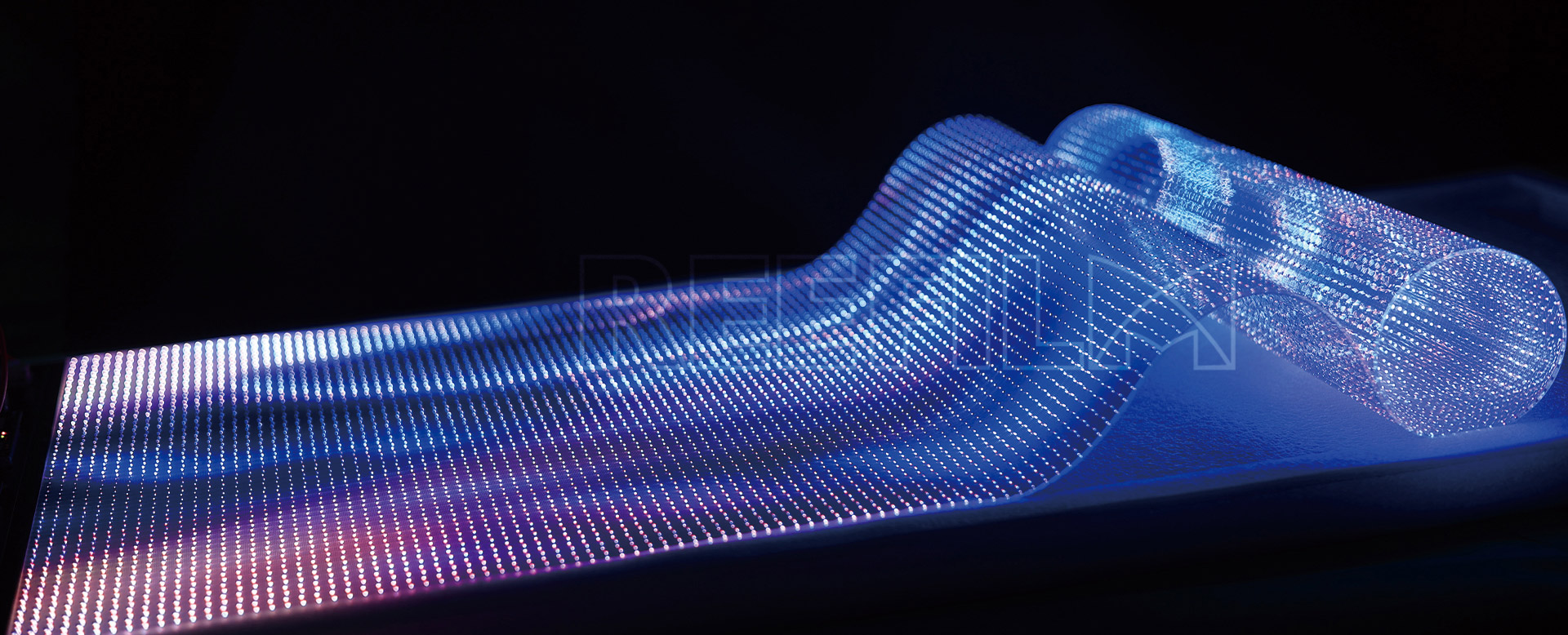
Yes, Led Flexible Screens can be used outdoors, but not every flexible LED display is designed for outdoor environments. Outdoor applications expose LED screens to rain, sunlight, dust, temperature changes, wind, and other environmental conditions. Therefore, choosing the right screen requires more than simply selecting a flexible design.
An outdoor flexible LED screen should be designed with appropriate waterproofing, brightness, structural protection, and temperature resistance. For businesses, event organizers, advertising companies, and system integrators, understanding these requirements is essential before purchasing an LED Flexible Display for outdoor installation.
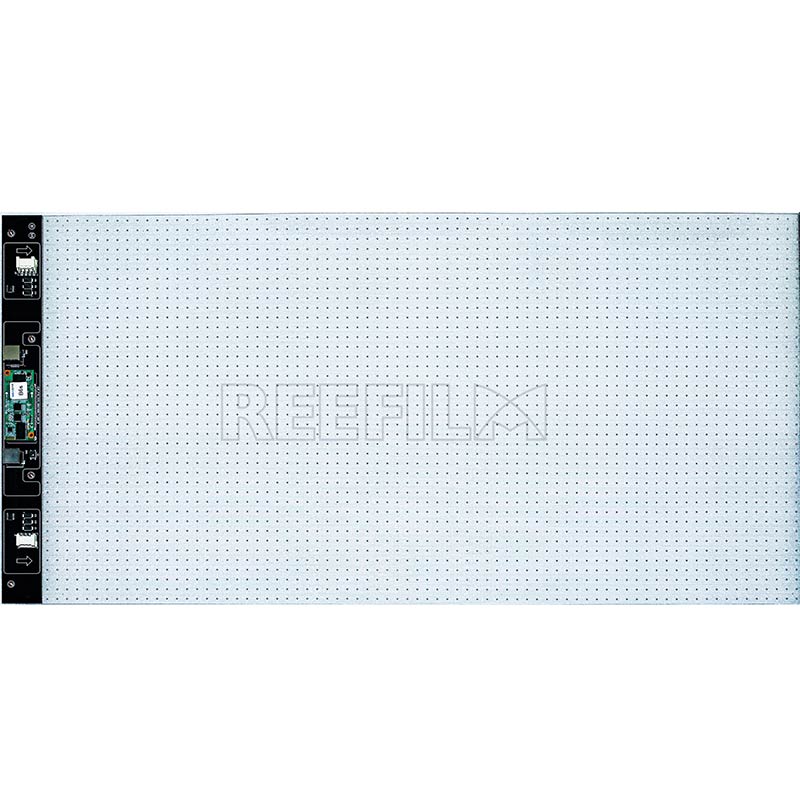
What Makes an LED Flexible Screen Suitable for Outdoor Use?
The main difference between indoor and outdoor flexible LED screens is their ability to withstand environmental conditions. An outdoor screen needs to maintain stable performance despite exposure to moisture, dust, sunlight, and temperature fluctuations.
When selecting a flexible LED display for outdoor applications, buyers should pay particular attention to the following factors:
Water and dust protection
Brightness
Temperature resistance
Structural durability
Power and control system protection
Installation method
Maintenance accessibility
These factors work together to determine whether an outdoor flexible LED screen can operate reliably in a particular environment.
1. Check the IP Rating
Water and dust protection is one of the most important considerations for an outdoor LED display.
The IP rating indicates the level of protection provided against solid particles and water. For outdoor applications, a suitable protection level is important because rain, humidity, dust, and other contaminants can affect electronic components.
Depending on the installation location, an outdoor flexible LED screen may require stronger protection than a screen installed in a covered outdoor area.
Before purchasing, confirm the manufacturer's specified IP rating for the actual screen module, cabinet or assembly, and installation conditions. Do not assume that every flexible LED display has the same level of environmental protection.
2. Outdoor LED Screens Need High Brightness
Outdoor environments typically have much stronger ambient light than indoor spaces. Direct sunlight can make an LED display difficult to see if its brightness is insufficient.
For this reason, an outdoor flexible LED display generally needs significantly higher brightness than an indoor screen.
When selecting a screen, consider:
Direct sunlight exposure
Viewing distance
Installation direction
Time of day
Local weather conditions
Whether the screen operates during daytime, nighttime, or both
Higher brightness can improve daytime visibility, while automatic brightness adjustment can help optimize viewing comfort and energy consumption when ambient light changes.
3. Consider Temperature and Weather Conditions
Outdoor LED screens may need to operate through hot summers, cold winters, rapid temperature changes, and high humidity. The selected display should therefore have an appropriate operating temperature range for the installation location.
Temperature can affect electronic components, LED performance, power supplies, and other parts of the display system. A properly designed outdoor flexible LED screen should use suitable components and thermal management measures to maintain stable operation.
For projects in areas with extreme temperatures, buyers should ask the manufacturer to confirm the recommended operating and storage temperature ranges before placing an order.
4. Protection Against Rain and Humidity
Rain and moisture are major concerns for outdoor electronic displays. Even temporary exposure to water can create problems if the screen is not appropriately protected.
Outdoor Flexible Led Displays should therefore have suitable waterproofing and sealing measures. The entire installation should also be considered, including cables, connectors, power supplies, control equipment, and mounting structures.
A screen with good water resistance can still experience problems if cables or connectors are improperly installed. Therefore, professional installation is just as important as selecting an appropriately protected display.
5. Wind and Mechanical Stability Matter
Flexible LED screens are lightweight and can be installed on curved or irregular surfaces, but outdoor installations must still account for wind and mechanical forces.
The mounting structure should be strong enough for the screen's size, weight, shape, and installation location. Large outdoor displays may require additional structural support, especially when installed on building facades, poles, stages, or other exposed structures.
When purchasing a flexible Led Screen For Outdoor use, provide the manufacturer with information about the installation environment whenever possible. This allows the supplier to recommend an appropriate mounting solution.
6. Choose the Right Pixel Pitch
Pixel pitch is another important factor when selecting an outdoor flexible LED display.
Pixel pitch refers to the distance between adjacent LED pixels. A smaller pixel pitch generally provides higher pixel density and can produce more detailed images at shorter viewing distances. Larger pixel pitches can be more suitable for displays viewed from farther away.
The right pixel pitch depends on:
Viewing distance
Screen size
Content type
Installation location
Budget
For example, a large outdoor advertising screen viewed from a long distance may not require the same pixel density as a screen installed close to pedestrians.
7. Flexible Design Makes Outdoor Applications More Creative
One of the biggest advantages of a flexible LED screen is that it can be adapted to surfaces that are difficult to cover with traditional flat LED displays.
Depending on the product design, flexible LED displays can be used to create:
Curved advertising displays
Column-mounted LED displays
Creative building displays
Stage backgrounds
Architectural LED installations
Retail displays
Event and exhibition screens
This flexibility allows designers to create curved, cylindrical, wave-shaped, or other creative visual effects that would be difficult to achieve with conventional rigid LED cabinets.
8. Maintenance Should Be Considered Before Installation
Outdoor LED displays require regular inspection and maintenance to ensure long-term reliability.
Before installation, buyers should consider how easily the screen can be accessed if an LED module, power supply, connector, or other component needs to be replaced.
A good maintenance design can reduce downtime and make future repairs more efficient. For commercial advertising screens and large installations, easy access to serviceable components can also help reduce long-term maintenance costs.
9. Can Flexible LED Screens Work in Direct Sunlight?
Yes, an appropriately designed outdoor flexible LED screen can operate in direct sunlight. However, the display needs sufficient brightness and suitable environmental protection to remain visible and reliable.
Direct sunlight also increases the thermal load on the display. Therefore, the screen's brightness, operating temperature range, thermal management, and installation structure should be considered together.
If your screen will be installed in an area exposed to strong sunlight for most of the day, provide the manufacturer with the installation location and expected operating conditions before selecting the product.
10. What Applications Are Suitable for Outdoor Flexible LED Screens?
Outdoor flexible LED screens can be used in a variety of commercial, architectural, entertainment, and advertising applications.
Common applications include:
Outdoor advertising
Shopping malls and commercial buildings
Sports venues
Concerts and festivals
Outdoor stages
Architectural media displays
Events and exhibitions
Brand promotional campaigns
Creative outdoor installations
The best solution depends on the required screen size, viewing distance, brightness, environmental conditions, content requirements, and installation structure.
Outdoor Flexible LED Screen vs. Indoor Flexible LED Screen
| Feature | Outdoor Flexible LED Screen | Indoor Flexible LED Screen |
|---|---|---|
| Brightness | Higher brightness generally required | Lower brightness is usually sufficient |
| Water Protection | Important | Usually less critical |
| Dust Protection | Important | Depends on environment |
| Temperature Resistance | Important | Generally less demanding |
| Wind Protection | Important for exposed installations | Usually not a major concern |
| Typical Applications | Advertising, events, architecture, sports | Retail, exhibitions, interiors, stages |
How to Choose an Outdoor Flexible LED Screen?
Before purchasing an outdoor flexible LED display, it is helpful to prepare the basic project requirements and compare different products according to actual application conditions.
Key factors include:
Installation location: Determine whether the screen is fully exposed or partially sheltered.
IP protection: Select appropriate water and dust protection for the environment.
Brightness: Make sure the screen remains visible under expected ambient lighting.
Pixel pitch: Match pixel pitch with viewing distance and content requirements.
Screen size: Consider the available installation area and viewing range.
Flexibility: Confirm the required bending direction and minimum bending radius.
Temperature: Check the operating temperature range for the local climate.
Installation: Evaluate mounting structure, wind conditions, and maintenance access.
Control system: Confirm compatibility with the required content management and control system.
Supplier support: Consider technical assistance, customization, installation guidance, and after-sales service.
FAQ
1. Can LED flexible screens be used outdoors?
Yes. Outdoor-rated flexible LED screens can be used outdoors when they have suitable brightness, water and dust protection, temperature resistance, and structural support.
2. Are all flexible LED screens waterproof?
No. Indoor and outdoor flexible LED screens can have different protection levels. Always check the manufacturer's IP rating and recommended installation conditions before outdoor use.
3. Can a flexible LED screen work in direct sunlight?
Yes. A properly designed outdoor flexible LED screen can operate in sunlight, but sufficient brightness and appropriate thermal and environmental protection are essential.
4. What pixel pitch is best for an outdoor flexible LED screen?
There is no single best pixel pitch. The appropriate choice depends mainly on viewing distance, screen size, content requirements, installation location, and budget.
5. What should I ask an outdoor flexible LED screen manufacturer?
Ask about IP rating, brightness, pixel pitch, bending radius, operating temperature, installation requirements, power consumption, maintenance, customization options, and warranty or technical support.
LED flexible screens can be an excellent solution for outdoor advertising, events, architecture, entertainment, and other creative display applications. However, outdoor use requires careful attention to environmental protection, brightness, temperature, mechanical stability, pixel pitch, and installation.
For buyers, the most important point is to choose a flexible LED display designed specifically for the intended environment rather than assuming that any flexible screen can be installed outdoors.
By clearly defining the installation location, viewing distance, screen size, weather conditions, brightness requirements, and bending requirements, you can work with an experienced flexible LED screen manufacturer to select a display solution that balances visual performance, durability, installation flexibility, and long-term operating costs.


