

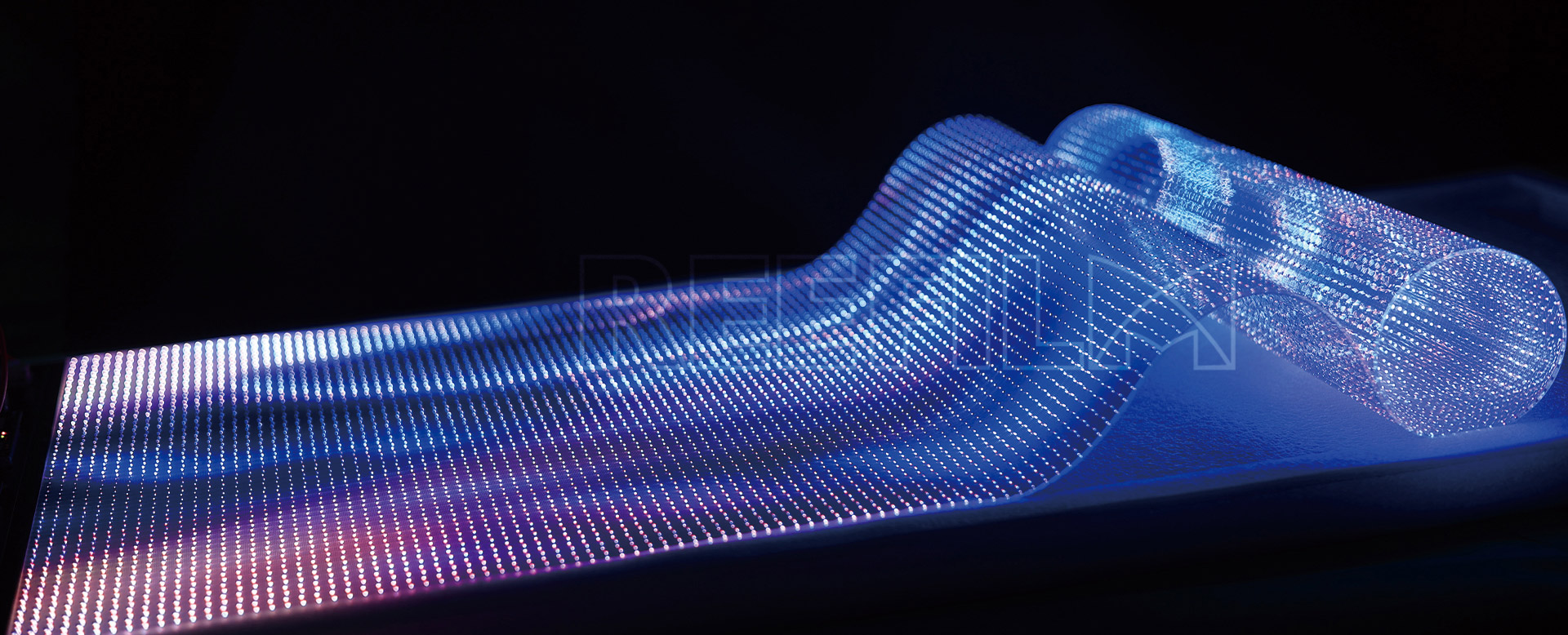
What is LED Display Film P20?LED Display Film P20 is a cutting-edge transparent LED film technology designed for high-resolution visual displays. This innovative product features a pixel pitch of 20mm, offering exceptional clarity and brightness while maintaining transparency when not in use. With a typical transparency rate of 70-80%, it allows natural light to pass through when the display is inactive, making it ideal for architectural integration.The P20 model represents a significant advancement in LED film technology, combining the benefits of traditional LED displays with the aesthetic advantages of transparent media. Its ultra-thin profile (typically 2-3mm thickness) and flexible installation options make it suitable for various creative applications where conventional displays would be impractical.Technical CharacteristicsPixel Pitch: 20mm (center-to-center distance between pixels)Brightness: 5,000-7,000 nits (adjustable for indoor/outdoor use)Viewing Angle: 160° horizontal and verticalRefresh Rate: ≥3,840Hz (eliminating flicker for smooth video playback)Color Depth: 16-bit processing (displaying 281 trillion colors)Contrast Ratio: 5,000:1 (for vivid image quality)Power Consumption: Approximately 400W/m² at maximum brightnessLifespan: 80,000-100,000 hours (LED brightness degradation to 50%)Operating Temperature: -20°C to 50°C (-4°F to 122°F)IP Rating: IP65 (dust-tight and protected against water jets)Application ScenariosThe versatility of LED Display Film


